Artificial intelligence is no longer just assisting developers in real time. Today, it’s learning to work in the background, executing complete tasks without human intervention and redefining what we understand as software lifecycle automation.
The so-called AI background agents, such as Cursor or Codex, mark a turning point in coding: they clone repositories, adjust code, generate pull requests (PRs), and even run tests autonomously. This shift anticipates a future in which code is not only written faster but also maintained and evolved almost on its own.
This article explores how these agents work, the benefits they bring to B2B development teams, and why they represent the future of background automation in coding.
What is an AI background agent?
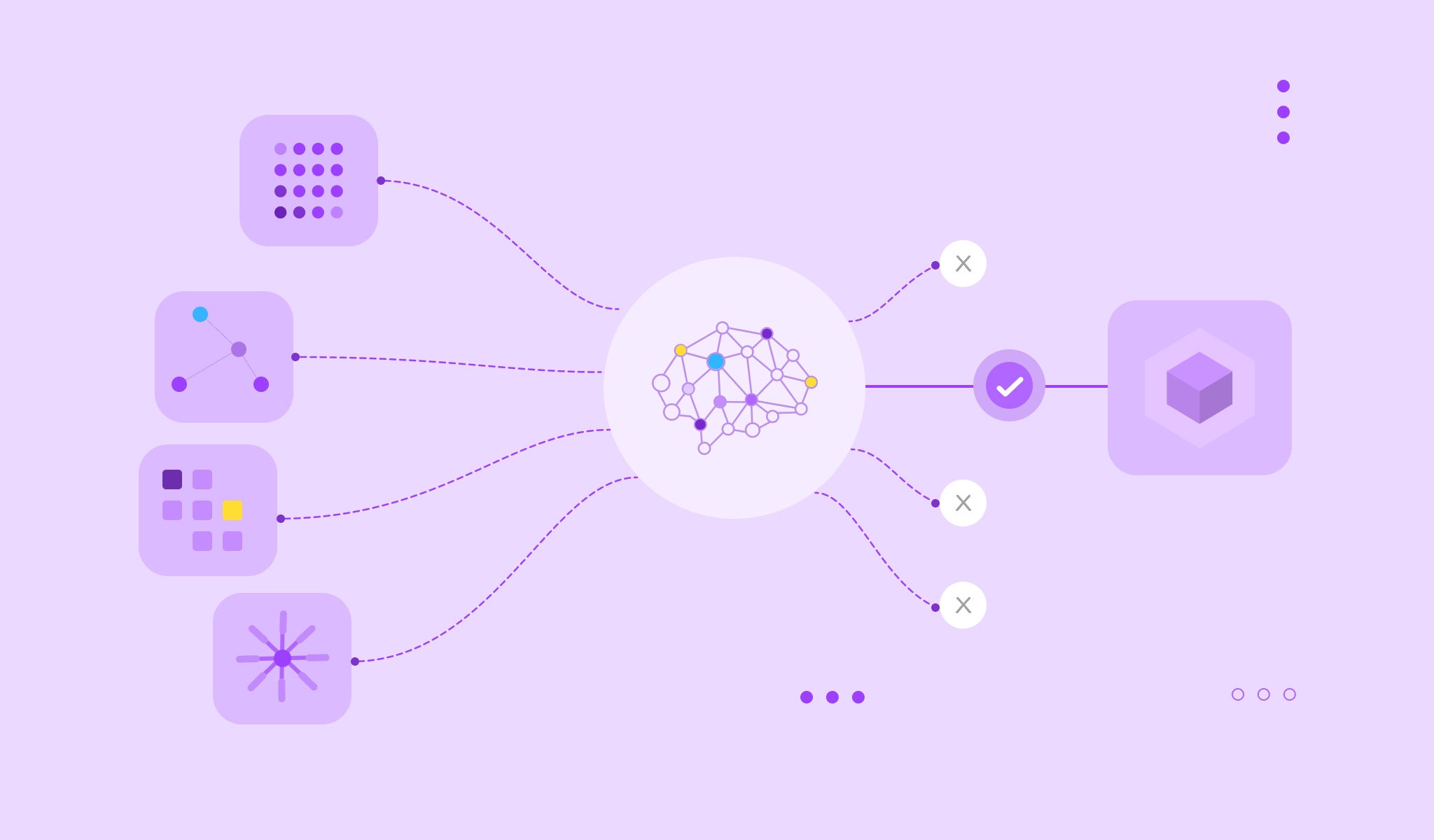
An AI background agent is a system capable of performing development tasks autonomously, without a programmer supervising every step. The key difference from traditional code copilots (like GitHub Copilot) lies in the level of intervention: while copilots act as foreground agents, suggesting code snippets in real time within the workflow, background agents operate in parallel and independently, integrating directly with repositories and pipelines. They work under predefined tasks or global rules without direct user involvement.
In practice, such an agent can:
- Download and analyze a complete repository.
- Understand dependencies and project structure.
- Make changes according to predefined rules or global instructions.
- Generate an automatic pull request, ready for review.
In this way, they free teams from repetitive tasks, allowing efforts to focus on strategic architectural and product decisions.
Leading examples: Cursor, Codex, and more
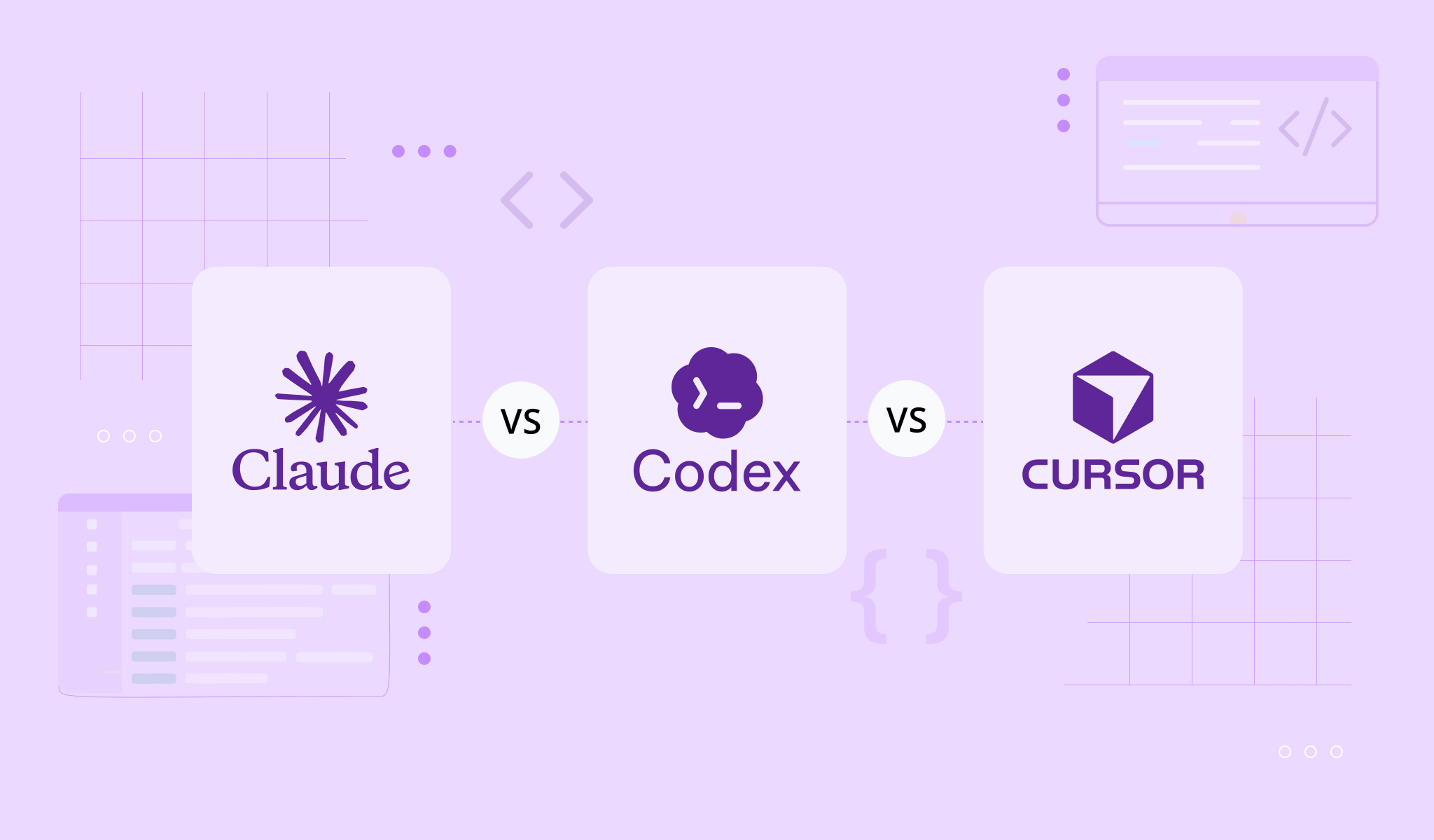
Among the most innovative tools are Cursor and Codex, each with a complementary approach:
- Cursor combines real-time assistance (foreground) with background agents capable of automating massive refactors, fixes, and maintenance tasks. Its ability to operate both in the foreground and background makes it an ideal hybrid environment for agile teams.
- Codex, developed by OpenAI, is the underlying model behind GitHub Copilot and many new development automation solutions. Its advanced language architecture enables systems to understand repository context and generate coherent large-scale code.
- Other agents integrate LLMs with CI/CD pipelines, enabling AI to become a natural part of the development and continuous delivery workflow.
The key advantage of these systems lies in their ability to learn from the repository context, not just from a single prompt, making them better suited for complex, multi-file, and multi-module changes.
Workflow: from repository to automatic PR
A typical AI-powered automation flow that generates automatic PRs follows these steps:
- Repository cloning: the agent downloads the repo from GitHub or GitLab.
- Project analysis: it identifies dependencies, architecture, and key files.
- Change application: it refactors functions, fixes bugs, or updates libraries.
- Automatic PR generation: it creates a detailed pull request that can include change context, commit links, or executed tests.
- Team notification: developers only need to review, approve, or request changes.
This process introduces a natural feedback loop between humans and AI: the AI proposes, humans review, iterations occur, and quality improves progressively. It’s a dynamic that amplifies productivity while ensuring critical oversight.
Benefits for development teams
Implementing AI background agents provides tangible advantages for companies and technical teams:
- True multitasking: multiple processes run in parallel, reducing bottlenecks.
- Faster delivery: development cycles shrink by eliminating manual tasks.
- Consistent quality: changes are applied uniformly across the codebase.
- Lower operational load: human effort is focused on design, strategy, and innovation.
In B2B environments where efficiency and reliability are crucial, these agents already represent a direct competitive advantage — especially for organizations managing large codebases or frequent deployments.
Practical use cases in B2B software companies
Background agents are already being used in corporate projects for:
- Preventive maintenance: updating libraries and dependencies before they cause security issues.
- Automated refactoring: standardizing code styles across large teams.
- Technical documentation generation: creating changelogs or release notes from commits.
- Automated QA: generating and running tests before each deployment.
Each of these use cases delivers a tangible ROI by reducing maintenance costs and accelerating delivery times.
Our approach at Urudata Software
At Urudata Software, we use tools like GitHub Copilot, Cursor, Claude, Gemini, Codex, and Amazon Q Developer. But our vision goes beyond technological adoption: we aim to understand AI as an amplifier, not just a facilitator.
We combine foreground agents (for collaborative, real-time assistance) with background agents (for autonomous automation), creating an agile, secure, and scalable development ecosystem. This hybrid approach allows us to implement improvements in production code with full traceability and without interrupting development cycles.
This means we don’t delegate responsibility to the machine. Instead, we design an iterative human–AI cycle, where developers’ critical oversight feeds a feedback loop of continuous improvement — enabling us to deliver software with greater speed, quality, and traceability, while keeping both technical and conceptual control firmly in the hands of our development team.
The future of autonomous agents in software development
AI background agents are evolving toward a new generation of autonomous software agents, with capabilities that will soon be natively integrated into all development pipelines. These autonomous agents will evolve toward:
- Full CI/CD integration: running tests, validations, and automated deployments with every commit.
- Agent collaboration: multiple systems working in parallel on the same repository.
- Greater autonomy: agents capable of designing and executing strategic changes, such as architectural or performance improvements — not just operational fixes.
For B2B companies, early adoption of these technologies is essential to gain efficiency, competitiveness, and technological resilience in a constantly evolving market.
Conclusion
AI background agents represent an evolutionary leap in software development automation. By handling repetitive and technical tasks, they allow teams to focus on innovation and business value.
Find out how to integrate automated AI agents into your development workflow and transform your project productivity and quality.