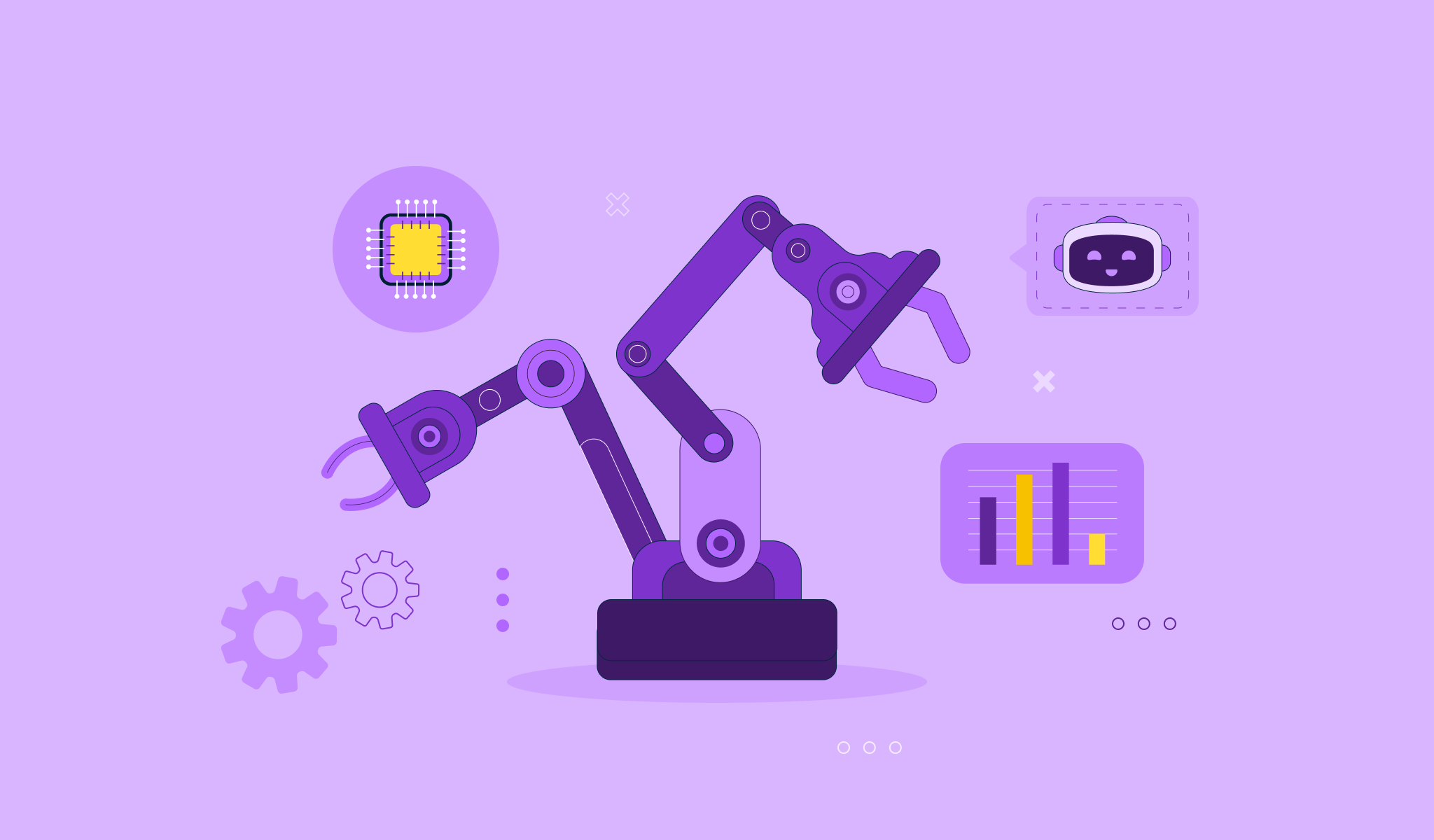
Intelligent B2B automation has become one of the most relevant strategic pillars for industrial companies seeking to boost efficiency and scalability. Under constant pressure to reduce operational costs and manage growing technological complexity, the combination of RPA and AI in enterprises has emerged as a concrete competitive advantage.
Unlike other approaches, intelligent B2B automation integrates automated execution capabilities with cognitive intelligence. This makes it possible not only to execute repetitive tasks, but also to interpret information, make contextual decisions, and learn from data.
RPA, AI, and the evolution toward intelligent automation
In B2B environments, the adoption of Robotic Process Automation (RPA) enables the automation of reconciliations, data entry, administrative validations, and cross-functional operational workflows. However, traditional RPA has clear limitations: it relies on rigid rules, struggles with unstructured information, and lacks adaptability in changing scenarios. This is where artificial intelligence comes into play.
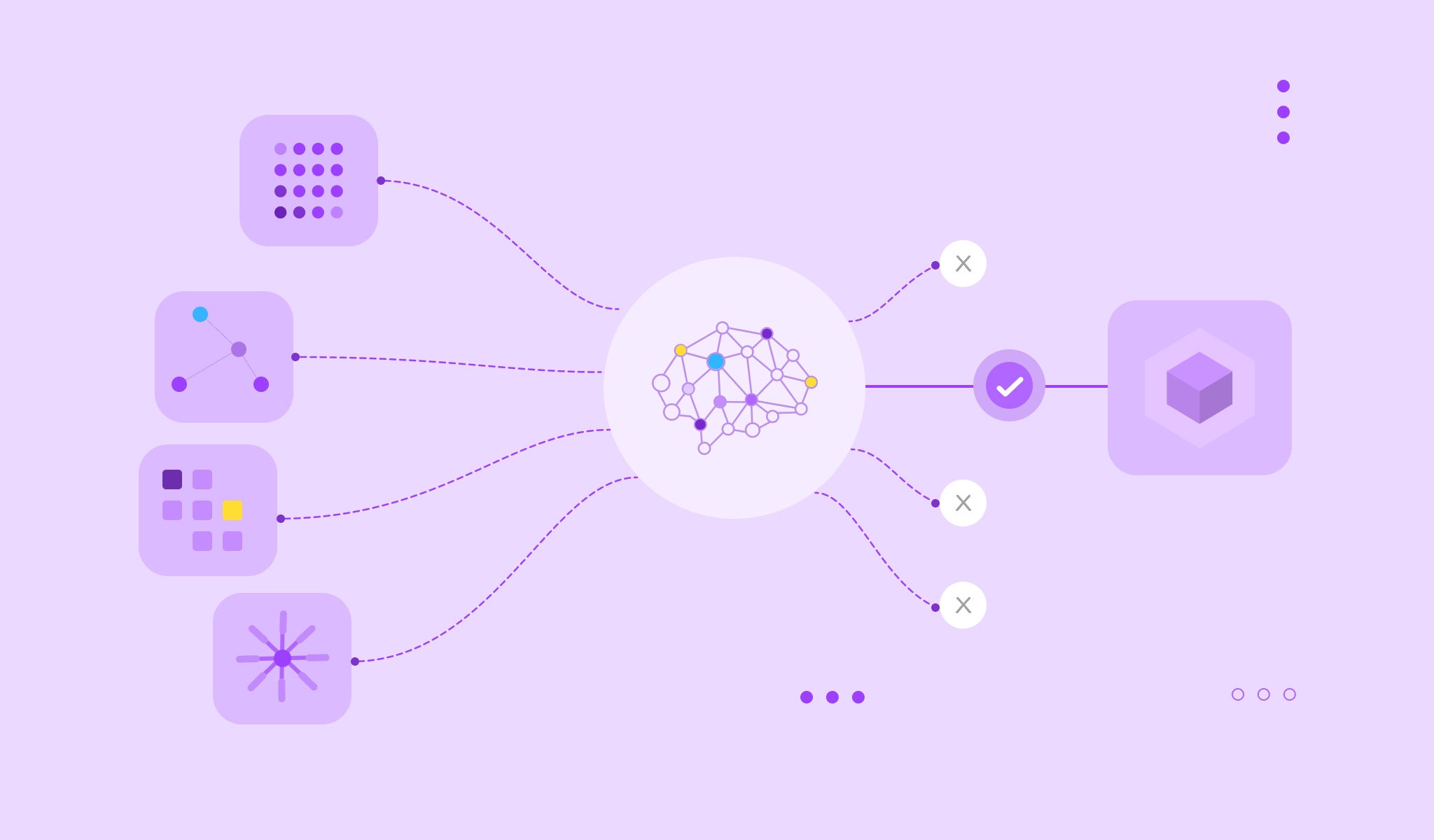
Intelligent automation emerges from the integration of RPA with AI technologies such as machine learning, natural language processing (NLP), and predictive models. This combination allows tools not only to execute tasks, but also to analyze information and make decisions.
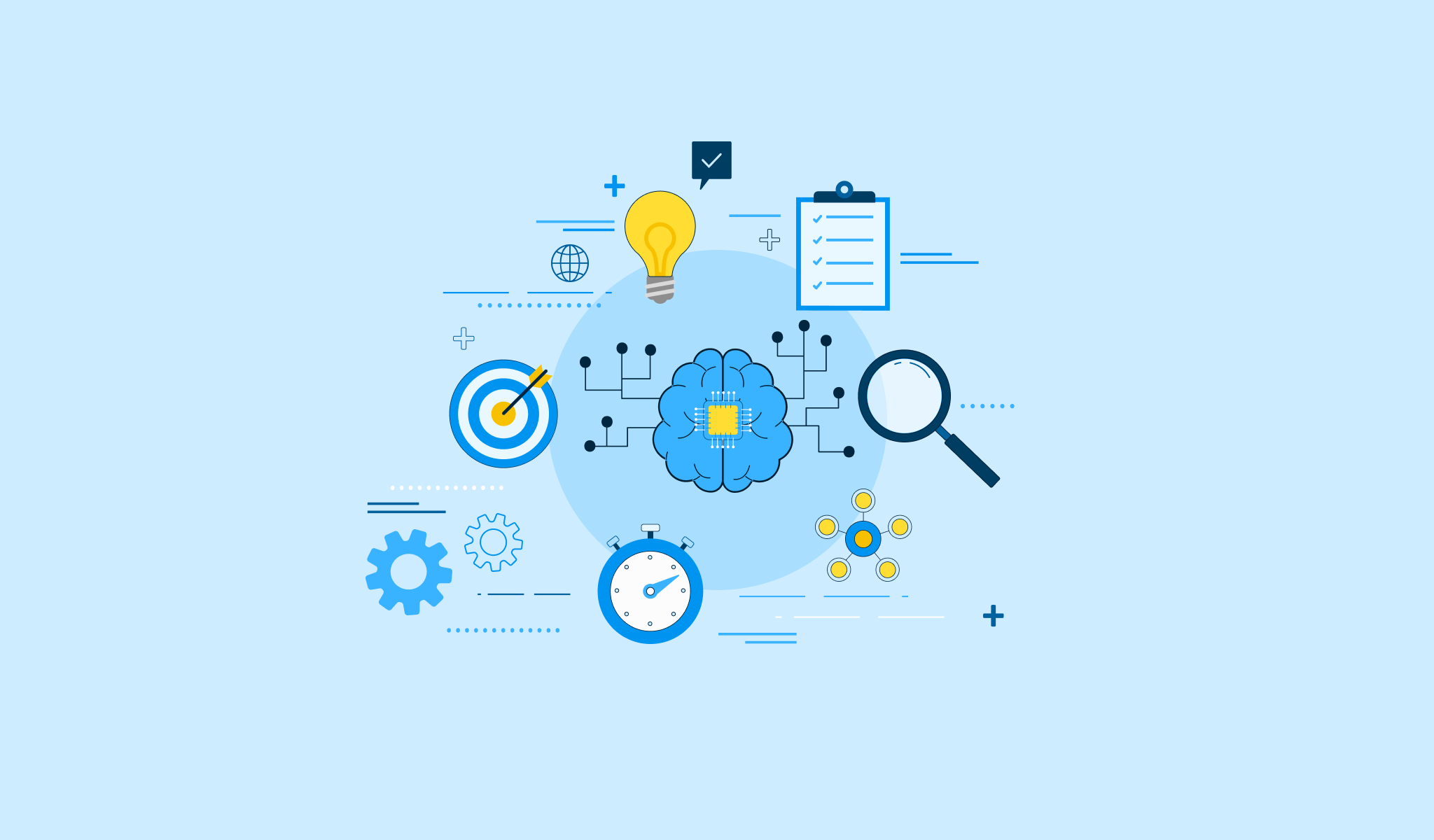
RPA plus AI in enterprises enables more robust end-to-end processes, with less human intervention and greater value creation. In industrial contexts, the goal is not to automate isolated tasks, but to orchestrate multiple technologies (RPA, AI, BPM, low-code, APIs, intelligent agents) to continuously automate complete processes.
Real-world applications in mature industries
Mature industries often face the challenge of operating with large volumes of operational data and mission-critical processes that cannot tolerate errors. Far from being a barrier, this context turns intelligent B2B automation into a strategic opportunity:
- In manufacturing, the integration of RPA and AI enables automation of production order management, quality validation, and supplier coordination.
- En energía y utilities, se aplica al procesamiento de lecturas, detección de anomalías, gestión de activos y atención a clientes corporativos. La IA analiza patrones de consumo o fallas, mientras la RPA ejecuta acciones correctivas o administrativas de forma automática.
- In logistics and transportation, intelligent automation helps optimize routes, manage documentation, anticipate delays, and coordinate supply chain stakeholders.
Success case: predictive maintenance with intelligent agents
One of the most representative use cases of RPA + AI in industrial enterprises is predictive maintenance. Instead of relying on fixed maintenance schedules or reactive responses to failures, intelligent automation generates real-time data on equipment conditions.
Machine learning models analyze signals to detect wear patterns or anomalies. Based on these predictions, intelligent agents trigger automated workflows. RPA handles tasks such as generating work orders, updating enterprise asset management (EAM) systems, notifying suppliers, or coordinating internal resources. Meanwhile, AI continuously adjusts models as new data is incorporated, improving prediction accuracy.
As a result, downtime is reduced, maintenance costs decrease, and asset lifespan is extended, with a clear economic impact.
Benefits for B2B enterprises
Beyond operational efficiency gains, the adoption of intelligent B2B automation offers multiple benefits:
- First, it enables operations to scale without proportionally increasing costs.
- It improves process quality and consistency, ensuring regulatory compliance. The combination of RPA and AI provides traceability, automated auditing, and effective exception handling.
- It reduces manual tasks and, consequently, human error.
- It frees human talent from repetitive work, allowing teams to focus on strategic and innovative activities.
- It promotes data-driven decision-making by embedding advanced analytics and predictive models into automated workflows. Companies can anticipate problems and respond more quickly to changing market demands.
Technical challenges and how to overcome them
Like any innovation initiative, implementing RPA + AI involves technical and organizational challenges that should not be overlooked:
- Uno de los principales desafíos es la integración con sistemas legacy. Para superarlo, es clave diseñar arquitecturas híbridas que combinen RPA, APIs y capas de orquestación.
- Los modelos de IA dependen de datos confiables. Invertir en estrategias de data governance, limpieza y estandarización es indispensable para el éxito.
- También hay que considerar la escalabilidad y el mantenimiento de los modelos. Para eso, el uso de ML Ops, monitoreo continuo y agentes inteligentes que se autoajustan resulta fundamental.
- Finally, the human factor should not be forgotten. Intelligent automation requires proper user training, close collaboration between IT and operations, and an understanding of technology as a tool—not a replacement—for the workforce.
Best practices for CTOs and operations teams
To maximize the impact of RPA + AI in enterprises, a strategic approach is required. The first step is to analyze current processes and identify those with high impact, high volume, high repetitiveness, and strong potential for improvement through intelligence.
Intelligent automation does not happen overnight, so it is important to know where to start. Beginning with controlled pilot projects, measuring results, and scaling gradually is highly recommended.
Another best practice is to invest in open platforms that allow new AI capabilities to be integrated without rebuilding the entire architecture. Collaboration with technology partners and continuous team training are also critical success factors.
Finally, to properly assess efficiency gains, it is essential to define KPIs such as cost reduction, cycle time improvements, and process quality metrics.
Conclusion
The combination of RPA and AI is redefining industrial B2B processes. Intelligent B2B automation is no longer an emerging trend, but an essential capability for competing in complex and demanding markets.
Adopting RPA plus AI in enterprises means rethinking processes, exploring technological options, and being willing to evolve organizational culture. If your organization is ready to move toward efficient automation, now is the time to start. Contact us!