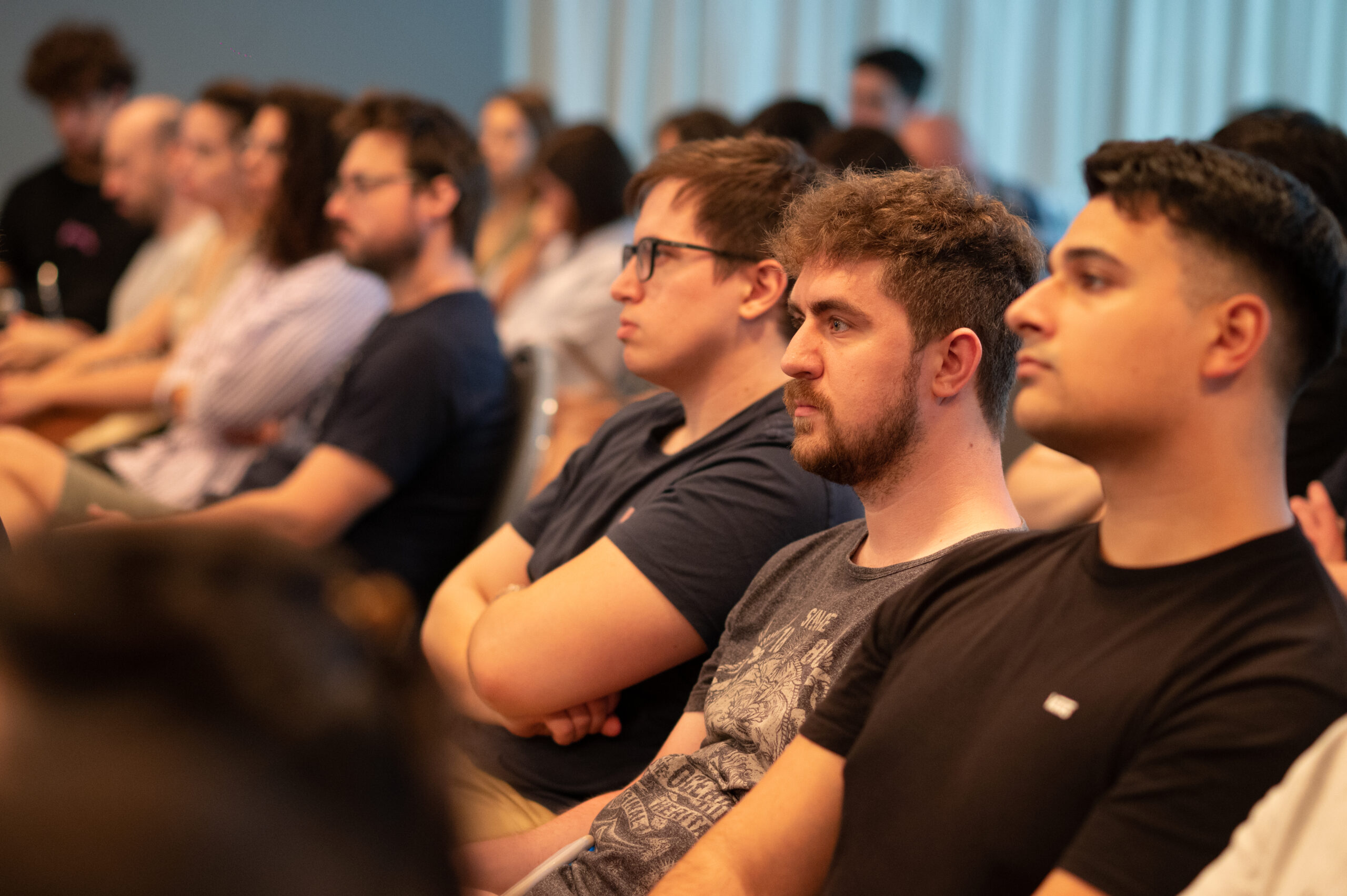
This May, we gathered at the Ibis Hotel to reflect, learn, and share knowledge about the practical application of AI in the workplace—an event that brought together team members from various areas to explore how to integrate AI in a practical and thoughtful way, strengthening both technological innovation and the professional development of our teams.
The first edition of Tech Talks 2025 left one thing clear: artificial intelligence will be a key ally in transforming businesses when purpose, data, and strategy are combined.
AI Agents: A New Way to Interact with Technology
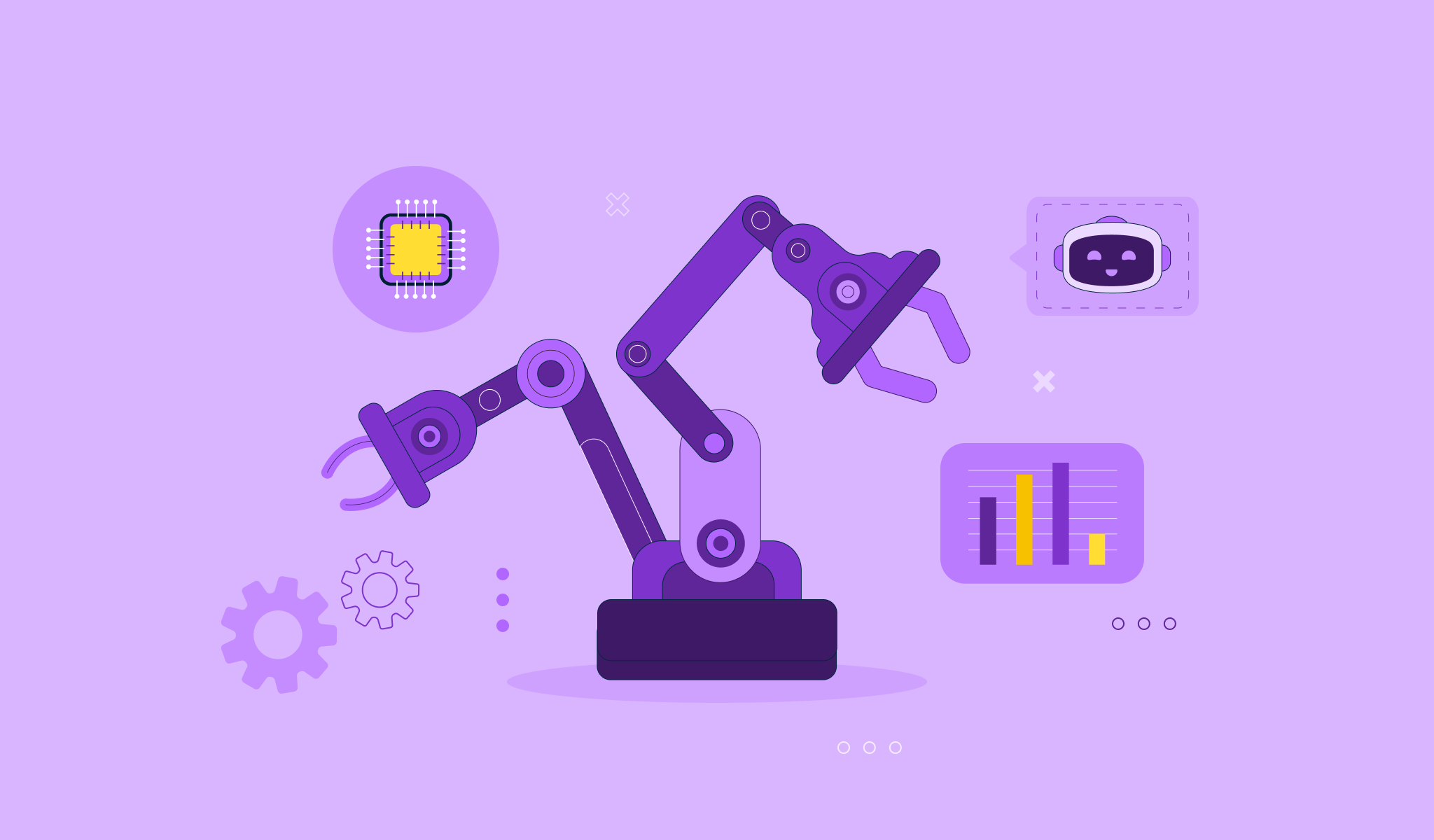
To kick things off, Ismael Puricelli—Software Analyst—spoke about the potential of AI Agents: autonomous systems capable of perceiving, reasoning, and acting with a high degree of independence. The session was an opportunity to understand how this new generation of AI is beginning to reshape our relationship with technology.
We explored the evolution of artificial intelligence, from rule-based systems to generative models and today’s intelligent agents, and how these systems can coordinate tasks, interact with APIs, and make complex decisions in real time.
The session also included practical examples: assistants that manage calendars, reply to emails, or participate in meetings autonomously, along with recommendations for adopting them in business environments using technologies like LangChain, Semantic Kernel or Assistants API.
System Resilience: How Poly Supports .NET Environments
Manuel Castelló, Senior Developer, followed with a talk on Polly—the .NET library designed to strengthen system resilience by preventing cascading failures when individual services encounter errors, ensuring operational continuity across all scenarios.
Through clear examples and explanations, he contrasted non-resilient systems with those designed with resilience in mind, highlighting how Polly enables the definition of intelligent policies that respond to unexpected events, giving development teams greater control and predictability.
AI at Work: Tools, Trends, and Practical Recommendations
After a coffee break, Richard Marino (Software Analyst) closed the day with a session on the strategic use of AI tools in the workplace.
His talk focused on showcasing how AI can enhance productivity, automate routine tasks, and improve the quality of deliverables. He analyzed the features, advantages, and limitations of various AI solutions such as ChatGPT, GitHub Copilot, and Cursor, comparing their suitability depending on the type of task—and offered guidance on how to choose the right tool for each business need.
Emerging trends were also discussed, including the native integration of AI into enterprise tools, multimodal models (combining text, image, and voice), and the growing collaboration between humans and artificial intelligences.
As every year, Urudata Software reaffirms its commitment to the continuous development of its team members, supporting initiatives like Tech Talks to stay at the forefront of the latest technological trends.